How to determine your size?
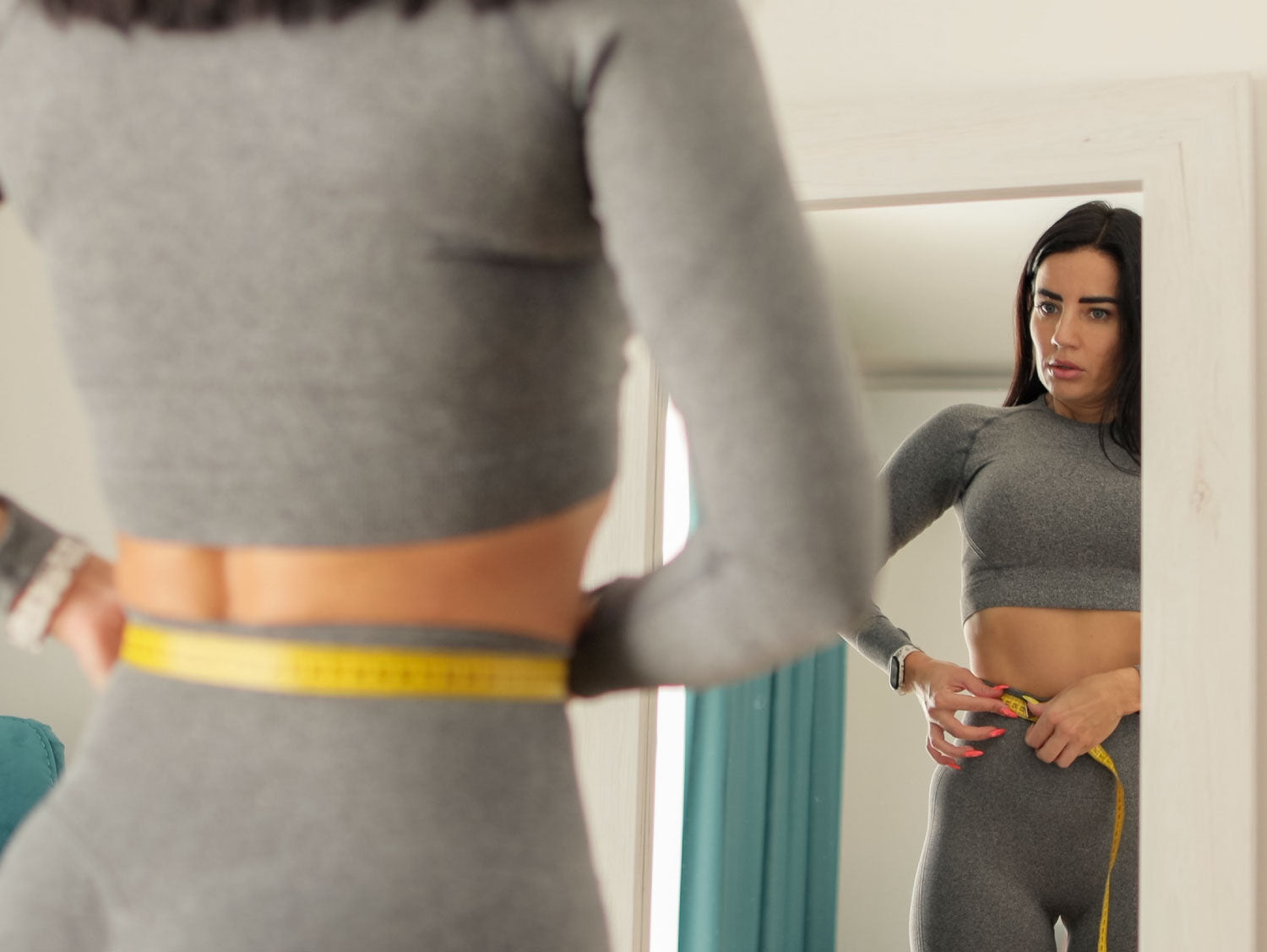
Buying clothes or footwear should be exciting, not a game of Russian roulette. Knowing your size accurately reduces returns, saves money, and improves your comfort. In this guide, you will learn how to measure yourself correctly, how to interpret size charts, and how to make smart decisions when shopping online.
Why is it crucial to know your size?
-
It increases shopping confidence: you reduce uncertainty.
-
It avoids costly returns and delays.
-
It protects your postural health (shoes and overly tight garments can cause discomfort).
-
It boosts your image: clothes look better when they fit well.
Basic tools
-
Flexible measuring tape (tailor's tape).
-
Full-length mirror to check the position of the tape.
-
Notepad or notes app to record your measurements.
-
Assistant (optional) to keep the tape level in difficult areas like your back.
Step by step: take your main measurements
Tip: keep the tape level and not too tight; it should touch your skin without digging in.
1. Bust or chest
Wrap the tape around the fullest part of your bust/chest, keeping the tape parallel to the floor.
2. Natural waist
Bend your torso to the side: the crease that forms is your natural waist. Measure at that point.
3. Hips
Stand with your feet together and wrap around the widest part of your hips/glutes.
4. Rise (for pants)
From the front waistband, pass the tape between your legs to the back waistband.
5. Leg length
From the inner thigh to the ankle (useful for pants or jeans).
6. Foot length (footwear)
Trace your foot on a piece of paper and measure from the heel to the longest toe.
Record each measurement in centimeters; many international stores provide tables in cm.
How to interpret measurements based on the garment
Upper body (t-shirts, blouses, jackets)
-
Bust is the key measurement.
-
Check the ease (the "roominess" margin) indicated by the brand (e.g., +6 cm for a relaxed t-shirt).
-
If you are between two sizes, decide based on your desired fit (fitted vs. oversized).
Pants, skirts, and shorts
-
Waist and hips are the priority.
-
Consider the leg length and rise height (high, mid, low rise).
-
Stretchy fabrics allow for 1–2 cm of variation.
Shoes
-
Use your foot length and, if the brand offers it, the width.
-
Go for the larger size if you are right on the edge; feet expand throughout the day.
Tips for shopping online without mistakes
-
Consult each brand's size chart (not all follow the same standard).
-
Check reviews from other buyers: they often mention if the item "runs large or small."
-
Verify the return policy before paying.
-
Look for photos from real customers to see the fit on different body types.
-
Keep your measurements updated (check them every six months).
Frequently Asked Questions (FAQ)
How often should I measure myself?
Every six months or when you notice significant weight changes.
Why does my size change between brands?
There is no single global system: each manufacturer defines its own internal chart.
Are unisex sizes measured the same way?
They are generally based on men's measurements; if you are a woman, it is usually recommended to size down.
Can I trust "oversized" sizing?
Yes, but check the actual measurements. The term "oversized" describes the style, not a uniform increase in centimeters.

How to Choose the Right Shapewear for You Choosing shapewear shouldn’t simply come down to picking the garment with the highest compression or the one you like most visually. The...

Choosing the right shapewear can make the difference between feeling comfortable and seeing real results, or ending up relegating it to the back of the drawer. In this guide, you...